Translate

GET YOUR SITE ON LISTING

competitive research tools
Showing posts with label keyword planners. Show all posts

Thursday, January 7, 2021

SEMRush VS Google Keyword Planner! Which One To Choose?

SEMRush VS Google Keyword Planner


We fundamentally use apparatuses like Google Keyword Planner or SEMrush Keyword Planner to get our catchphrase proposals to rank on Google and to get recommendations for Google Ads. In any case, as a rule, Google Keyword Planner and SEMrush are two ordinarily utilized devices for discovering search queries or "watchwords" that your business can rank for and improve your web-based showcasing endeavors and business perceive ability. They can likewise be utilized to help you center your Google Ads so they can perform better and get you more outcomes. Notwithstanding, when we analyzed the two apparatuses, there is a huge improvement. So which is better?

Google Keyword Planner:

This is awesome as a free tool that causes you to realize what individuals are looking for all in all. It is anything but difficult to get into the tool and start breaking down your site, rival sites, and composing in catchphrases you think your crowd is looking for. It at that point offers a different scope of recommended catchphrases that you can remember for explicit pages, your site overall, or help in the production of Google Ads. It will likewise show you normal month-to-month searches and general hunt patterns. It will likewise show you the amount you ought to be paying to have a compelling Google Ad. The client experience is strong thinking about the fact that it is so natural to join however on occasion can get a little glitchy. You can download reports effortlessly and consistently add catchphrases to your PPC promotions.

Listing Management Tool

SEMrush:

SEMrush is a high-level tool that lets you do a considerable amount more from an SEO angle when contrasted with Google Keyword Planner. It actually shows you all the fundamental measurements that Google Keyword Planner has, however, the catchphrase recommendations are substantially more assorted and, in all honesty, higher caliber. As far as we might be concerned, SEMrush would show proposed watchwords that were never recommended by Google Keyword Planner. Intermittently, these watchwords were looked at every now and again and had an extremely low rivalry. For client experience, this instrument is smooth and simple to use after an instructional exercise from one of the SEMrush reps. Generally, the overall thought of contributing a site, site page, or catchphrase stays as before as Google Keyword Planner. Here is the place where it gets truly energizing however: SEMrush gives you a path more inside and out plunge into your rivals' procedures. This apparatus will show you what catchphrases they are utilizing on their site, where you can beat the opposition, and what their PPC promotions resemble. It will likewise give you some incredibly accommodating measurements, for example, watchword trouble for naturally positioning your site on the web. The cons of this device? Well… in the event that you need to utilize it as often as possible and get all the fancy odds and ends, it will hamper you, at any rate, $100 every month for their fundamental bundle.

The winner? SEMrush. Try not to misunderstand us however, Google Keyword Planner is as yet incredible for a free watchword research device and is extraordinary for those with a private company or restricted spending plan. Nonetheless, SEMrush will absolutely give you a more SEO and Google Ads serious edge contrasted with Google Keyword Planner.

In case you're hoping to have a genuinely effective online presence, let us know and we couldn't imagine anything better than to help.


Tuesday, January 5, 2021

Keyword Selection for Search Engine


Search engines are the vehicles that drive potential customers to your websites. But for visitors to reach their destination – your website – your Product – you need to provide them with specific and effective signs that will direct them right to your site. You do this by creating carefully chosen keywords.


Think of the right keywords as the Open Sesame! of the Internet. Find the exactly right words or phrases, and presto! hoards of traffic will be pulling up to your front door. But if your keywords are too general or too over-used, the possibility of visitors making it to your site – or of seeing any real profits from the visitors that do arrive – decreases dramatically.

Your keywords serve as the foundation of your marketing strategy. If they are not chosen with great precision, no matter how aggressive your marketing campaign may be, the right people may never get the chance to find out about it.

So your first step in plotting your the strategy is to gather and evaluate keywords and phrases.

You probably think you already know EXACTLY the right words for your search phrases. Unfortunately, if you haven’t followed certain specific steps, you are probably WRONG. It’s hard to be objective when you are right in the center of your business network, which is the reason that you may not be able to choose the most efficient keywords from the inside. You need to be able to think like your customers. And since you are a business owner and not the consumer, your best bet is to go directly to the source.

Instead of plunging in and scribbling down a list of potential search words and phrases yourself, ask for words from as many potential customers as you can. You will most likely find out that your understanding of your business and your customers’ understanding is significantly different.


The consumer is an invaluable resource. You will find the words you accumulate from them are words and phrases you probably never would have considered from deep inside the trenches of your business.

Only after you have gathered as many words and phrases from outside resources should you add your keyword to the list. Once you have this list in hand, you are ready for the next step: an evaluation.

The evaluation aims to narrow down your list to a small number of words and phrases that will direct the highest number of quality visitors to your website. By “quality visitors” I mean those consumers who are most likely to make a purchase rather than just cruise around your site and take off for greener pastures. In evaluating the effectiveness of keywords, bear in mind three elements: popularity, specificity, and motivation.


Popularity is the easiest to evaluate because it is an objective quality. The more popular your keyword is, the more likely the chances are that it will be typed into a search engine which will then bring up your URL. You can now purchase software that will rate the popularity of keywords and phrases by giving words a number rating based on real search engine activity. Software such as WordTracker will even suggest variations of your words and phrases. The higher the number this software assigns to a given keyword, the more traffic you can logically expect to be directed to your site. The only fallacy with this concept is the more popular the keyword is, the greater the search engine position you will need to obtain. If you are down at the bottom of the search results, the consumer will probably never scroll down to find you.

Get more leads from you website with Visual Visitor

Popularity isn’t enough to declare a keyword a good choice. You must move on to the next criteria, which is specificity. The more specific your keyword is, the greater the likelihood that the consumer who is ready to purchase your goods or services will find you.

Let’s look at a hypothetical example. Imagine that you have obtained popularity rankings for the keyword “automobile companies.” However, your company specializes in bodywork only. The keyword “automobile body shops” would rank lower on the popularity scale than “automobile companies,” but it would nevertheless serve you much better. Instead of getting a slew of people interested in everything from buying a car to changing their oil filters, you will get only those consumers with trashed front ends or crumpled fenders being directed to your site. In other words, consumers ready to buy your services are the ones who will immediately find you. Not only that but the greater the the specificity of your keyword is, the less competition you will face.


The third factor is consumer motivation. Once again, this requires putting yourself inside the mind of the customer rather than the seller to figure out what motivation prompts a person looking for a service or product to type in a particular word or phrase. Let’s look at another example, such as a consumer who is searching for a job as an IT manager in a new city. If you have to choose between “Seattle job listings” and “Seattle IT recruiters” which do you think will benefit the consumer more? If you were looking for this type of specific job, which keyword would you type in? The second one, of course! Using the second keyword targets people who have decided on their career have the necessary experience, and are ready to enlist you as their recruiter, rather than someone just out of school who is casually trying to figure out what to do with his or her life in between beer parties. You want to find people who are ready to act or make a purchase, and this requires subtle tinkering of your keywords until your find the most specific and directly targeted phrases to bring the most motivated traffic to your site.

New SEO software tool

Once you have chosen your keywords, your work is not done. You must continually evaluate performance across a variety of search engines, bearing in mind that times and trends change, as does popular lingo. You cannot rely on your log traffic analysis alone because it will not tell you how many of your visitors made a purchase.

Luckily, some new tools have been invented to help you judge the effectiveness of your keywords in individual search engines. There is now software available that analyzes consumer behavior concerning consumer traffic. This allows you to discern which keywords are bringing you the most valuable customers.

This is an essential concept: numbers alone do not make a good keyword; profits per visitor do. You need to find keywords that direct consumers to your site who buy your product, fill out your forms, or download your product. This is the most important factor in evaluating the efficacy of a keyword or phrase and should be the sword you wield when discarding and replacing ineffective or inefficient keywords with keywords that bring in better.

Ongoing analysis of tested keywords is the formula for search engine success. This may sound like a lot of work – and it is! But the amount of informed effort you put into your keyword campaign is what will ultimately generate your business’ rewards.

Saturday, October 3, 2020

What Are Google My Business Categories?

What Are Google My Business Categories?

When you set up a new business in Google My Business, Google My Business makes you set a category for your business. As one of the leading Shopify SEO and eCommerce SEO Services, the PixelCutLabs team does this all the time, especially as a part of our manual On Page SEO Services. When you set your category, it helps your business show up for relevant searches in Google My Business and Google Maps, which can give your business a big boost if you primarily target local customers.

A few numbers to keep in mind:

There are over 3000 Google My Business categories as of 2020 (3942 to be exact)

Google allows you to select up to 10 categories for your business

You can only select 1 primary category, which is given the most importance in Google’s algorithm

Choosing The Best Google My Business Category

When you select a category, you’ll have the best results if you follow these three rules of thumb:

Be as specific as possible when choosing your Google My Business category – The more specific you are, the fewer businesses you’ll be competing against for customers.

Add the least number of Google My Business categories possible to describe your core business – The more categories you have, the weaker each individual category gets in a potential customer’s search for businesses that do what you do. Think of it like a 100-watt light bulb vs. a 100-watt laser: a 100-watt light bulb can light up a room. A 100-watt laser can cut through a sheet of solid metal. Be as close to the laser as you can get.

Describe your business… not your services or amenities – If you are adding a new restaurant to Google My Business and that restaurant has a bar, you should not add “Bar” as a category because that does not describe your business, it describes your amenities.


Google My Business Categories

This Google My Business category list is sorted by business type. If you have trouble finding something that describes your business based on the guidelines above, try a less-specific category.

During this list is so big. I am giving you the link of the spreadsheet I got It is the latest update of the category list. You can download it and use this list for your own business.

The Full List


Google My Business


Google My Business

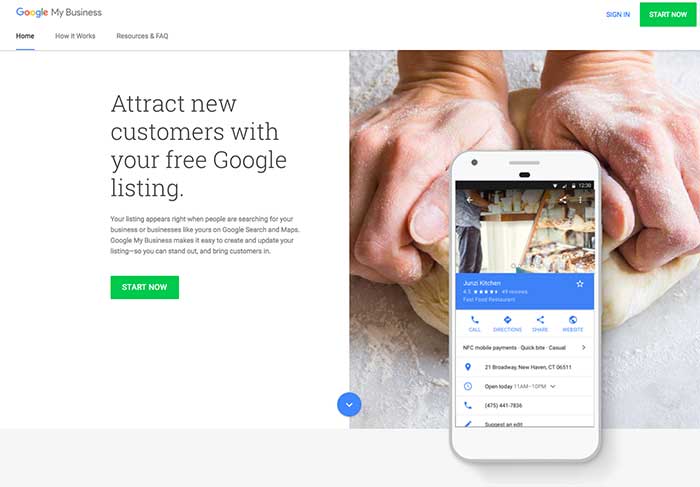
Google My Business is a free and easy-to-use tool for businesses and organizations to manage their online presence across Google, including Search and Maps. To help customers find your business, and to tell them your story, you can verify your business and edit your business information.

Benefits of Google My Business

There are many Benifits of Google My Business. I am gonna show you 10 Proven Benefits of Google My Business & How to Use it For Sales.

Google My Business was created to connect businesses with local consumers with the growing need for a more digitally savvy directory. Helping to boost online marketing and consumer shopping culture.

An interesting survey done by Bright Local found that with Google My Business (GMB), the average business receives 1,009 customer searches each month, with 84% of these coming from discovery searches, and the remaining 16% from direct.
 

1. Google My Business is Free

One of GMB’s best features is that it’s free! Simply click here to sign up and fill out your profile with all the needed information such as contact numbers,a website, pictures, location, etc.

I found this infographic on signing up on Lousie Myers “Visual Social Media” to be helpful, and much more entertaining than than typical written how-to steps.

If you find that your business name has been listed or you made the mistake of giving someone permission to create your listing, and you’d like to reclaim your listing RevLocal has a great step-by-step video tutorial you can follow.


Google My Business Makes You Visible

GMB is a tool that puts your business on a global map, literally.

Google is one of the largest search engines in the world. Google receives over 63,000 searches per second on any given day, not to mention Google “near me” searches have increased by two times over the past year.

I’ll let you in on a little secret…

About 90% of searchers haven’t made up their mind about a brand before starting their search. This simply means that your business has to be visible for online search to capture their attention and stand out from your competition.

Without Google My Business, you’ll be missing the chance to be visible regardless of how heavily you practice SEO techniques on your website. GMB listings get priority on the first page of local Google searches and Maps queries.

For example, when we searched for “Salon in New York.” You’ll notice that a section of GMB listing appears before ranking websites.

Listing on Google Search

Google My Business Ensures Online Consistency

As your business grows or undergoes changes, you want to be able to keep your customers informed and educated simultaneously.

Keep your customers in the loop by updating your listing on Google My Business, such as phone numbers, addresses, websites, and social media. So if you ever change your location or you’re using a new number of customers can effortlessly contact and find you.

One of the seven things that can make customers hate your business is searching for your contact details and jumping through hoops to find you.


Google My Business Images Provides a Great First Impression

Having a GMB page adds a digitally savvy touch to your online branding because it shows customers that you’re willing to stay updated and modern. Catering to their digital needs so they can quickly call/connect, purchase, and repeat.

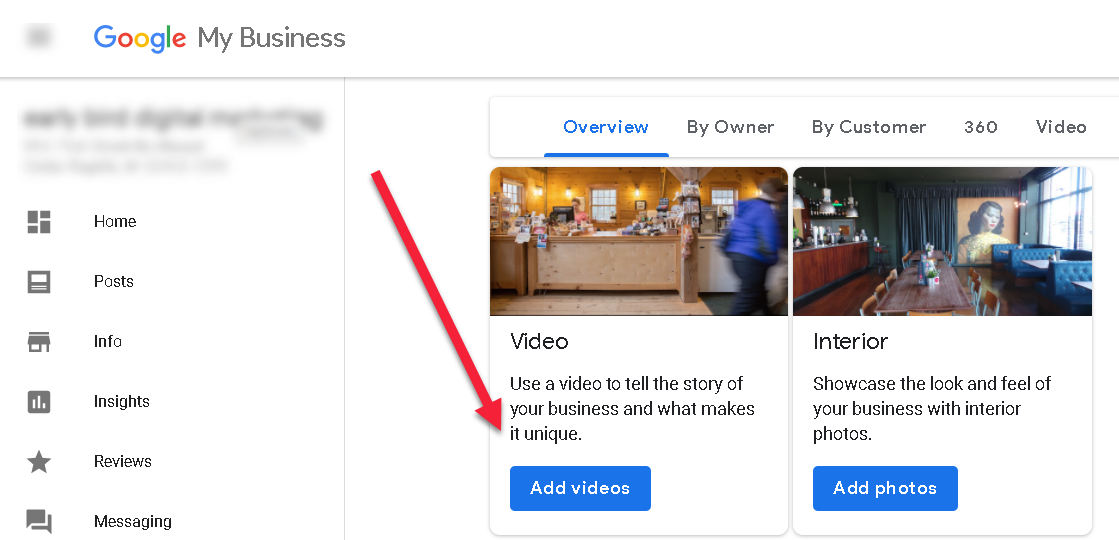
Google My Business allows you also to help captivate customers visually by uploading photos and videos of your store or product. You’ll be able to set expectations of what customers can expect from you.

In fact, Search Engine Land found a strong link between Google My Business photo quantity and search performance.

Here are few content ideas for the images you can upload to your GMB listing:

  • Inside your store or manufacturer
  • Your employees or teammates
  • Your local surroundings
  • Your CEO or Managing Director
  • Awards and Events
  • Happy customers or customer testimonials

Try to upload at least 5-10 photos and videos, the more images, the better. No pictures on your Google listing is just as displayed as not having a profile image on social media. Help customers to warm up to your Google My Business listing. Adding a picture puts a face or a meaning to your brand.


Google My Business Improves SEO

Your Google My Business can be one of your most powerful SEO tools. But it’s not enough to add a few contact details. You’ll have to optimize your Google My Business to see the best results.

Here’s a graph showing the list of essential items you should optimize for your Google My Business to work in favor of ranking and SEO.


Google My Business Easily Host Customer Reviews

Google My Business allows customers to leave ratings, reviews, and images on your listing. Think of it as a more modern and personalized version of Yelp.

This is great because happy customers can share their experience with interested and new customers. But it’s also a platform that upset and disgruntled customers can leave bad reviews and images of their experience.

How do you maintain a balance to keep your Google My Business reviews in green?

You monitor and respond to your Google My Business reviews.

No good thing comes without a bit of elbow grease. Each week set aside time (or as an employee to review) and respond to reviews on your GMB listing.

With an online profile, you can only go so far to convince your customers that you’re the right choice for them, people can only trust you from face value and what real customers have to say about you. People are more willing to trust customers over your brand.

Here are three reasons why monitoring and responding to reviews (whether good or bad) helps your business off and online. 

  • 86% of people will hesitate to purchase from a business that has negative online reviews. Don’t ignore negative reviews, because they can affect your sales.
  • 72% of customers don’t take action until they have read reviews. Customers are searching for reviews before they visit your store or shop with you. What kind of reviews do you want to be waiting for them? Once you know the answer, start working towards it.
  • Businesses who reply to reviews at least 25% of the time have an average of 35% more revenue. Customers are looking for brands to reply to customers (regardless if it’s a good or bad review). When you leave reviews, especially negative reviews unattended, buyers are more hesitant to buy from you because they begin to wonder if their concerns will be ignored (on or offline).

Don’t wait for customers to go to your Google My Business Account. Instead, share a short URL with customers on your online and social media platform to drive reviews your way.


Google My Business Helps Gain Customer Insight

Get customer insight from your GMB listing and use it to improve your business.

Google’s GMB insight focuses on how customers find your listing on Search and Maps, and what they do after they find it. This data includes information like:

  • How many views your listing had.
  • How and where customers find your listings.
  • Actions customers take on your listings.
  • And other interactions customers have with your GMB listing.


Google My Business Completes Your Google Profile

Google has created the holy grail of digital marketing for business. Having a Google My Business Account helps you to complete your Google Profile.

Having your GMB account is connected to Google Maps, Google Adwords, Google Analytics, Tag Manager, and more.

Having access to these high powered tools allows you not only to rank and optimize your brand but helps to keep your business up to date with digital trends.

Google My Business Offer an Official Website For Your Business

We spoke about SEO and customer reviews, but did you know that Google My Business also has a website creation feature?

Best of all your website is free to create!

Once you’ve created your Google My Business account, your website will auto-generates info from your profile, plus you can customize it with text, photos, and design themes.

All you’ll need to do is purchase a domain and connect your Google Analytics account.


Google My Business is the Future of Online Marketing

Google is constantly expanding and growing in data and online features for consumers and business.

They’re already a billion dollar giant that has scratched the surface creating online tools to help small and big businesses to increase sales and brand awareness.

Don’t wait until it’s too late to start tapping into the power of Google, start by creating a Google My Business and take your steps into the new form of online branding.

If you’re a visual learnerI found this video tutorial from The Deep End to be an insightful and funguide.


Google Analytics

How to use Google Analytics to improve SEO performance?


Did you know that 67% of all clicks go to the first five organic results in a search engine?

In fact, there’s probably a free tool that you’re currently using to track your on-site metrics: Google Analytics. That leaves you questioning:

Does Google Analytics Help SEO?

The short answer? Yes.

Google Analytics contains valuable data that your business can use to monitor (and improve) SEO performance–from keywords to organic pageviews.

Here are 10 use cases that show how our experts use Google Analytics for SEO:

  1. Sync your Search Console account
  2. Create SEO-related goals
  3. Use the organic visitors segment
  4. Compare non-organic visitors to organic
  5. Find top-performing content
  6. Look at top-performing landing pages
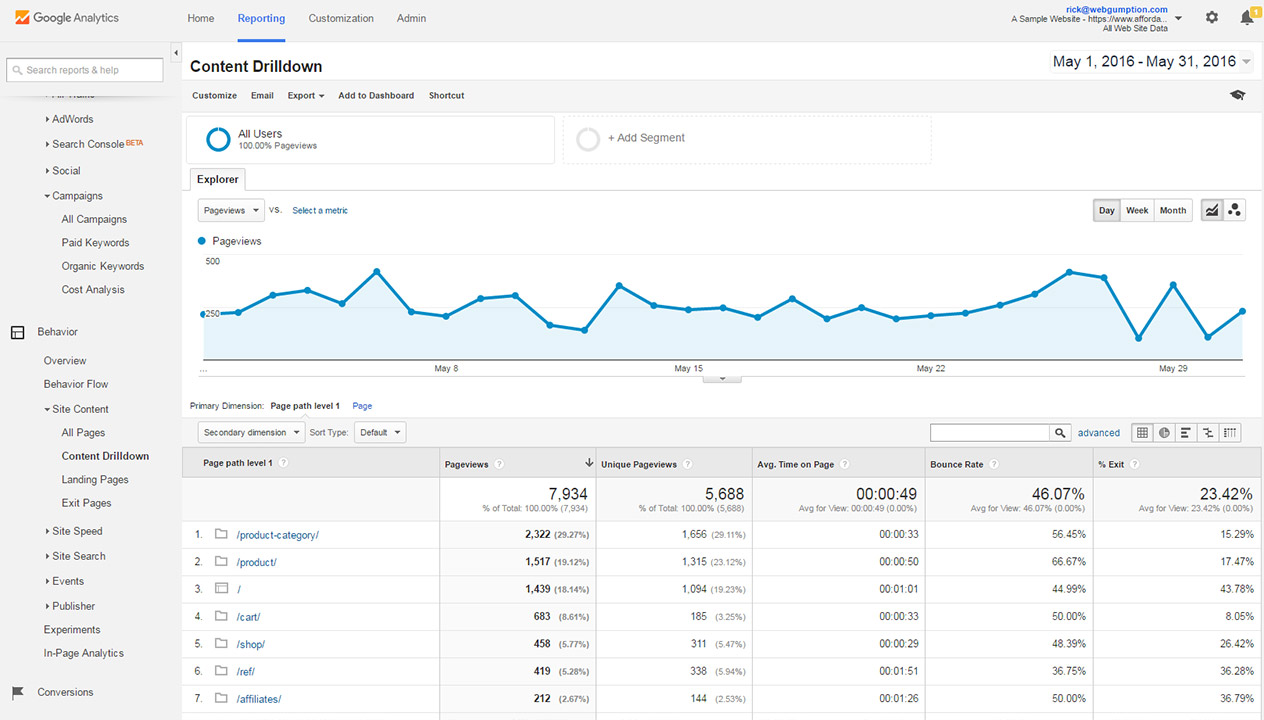
  7. Use the Content Drilldown report
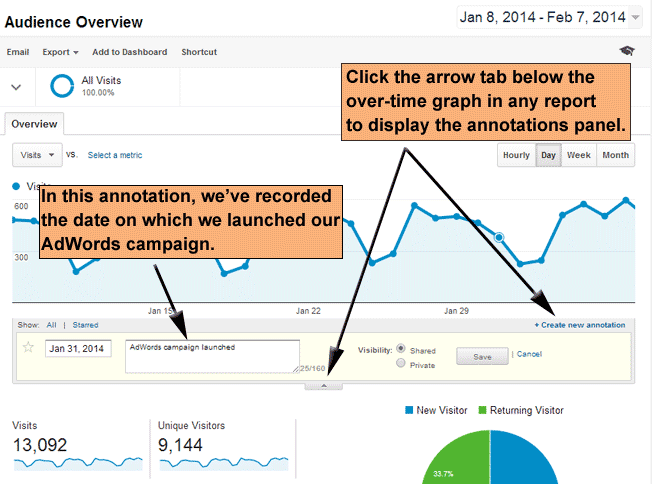
  8. Add annotations to track content updates
  9. Use the Multi-Channel Funnel report
  10. Track keywords in Google Analytics

Before we dive in with the details, start getting to grips with the data inside your account with our Google Analytics SEO dashboard. You’ll be able to view the most popular metrics by the page on your site:

Sync your Search Console account

“My number one tip for measuring SEO with Google Analytics is to connect Analytics to Google Search Console,” says Leadhub‘s Kim Doughty.

“If you’re just using Google Analytics without using GSC you will never see the whole picture. With GA and GSC linked, you can use queries to identify opportunities for improvement with target keywords and the pages you want to rank for.”

SCORE‘s Nabil Freij adds: “Google Search Console tells you what keywords people are using to find your content, what content they’re finding and where it’s ranking on Google.”

“You can analyze the information and determine ways to improve the optimization of your pages, so you stand a better chance of ranking on the first page of Google,” Freji says.


Medicare Plan Finder‘s Omar Fonesca explains: “Another valuable section is ‘Search Console’ which will provide you more in-depth information into the Landing Pages and Search Queries (Keyword Terms), based on Clicks, Impressions, CTR %, etc.”

“You can also analyze what ‘Countries’ your traffic is coming from and what ‘Devices’ they use to find you!”

NameBounce‘s Axel DeAngelis explains how you can use this synced data: “For example, using the GSC data to A/B test title tags and meta descriptions can give you a higher search click-through rate over time.”

“By doing that, you can court Google’s RankBrain algorithm and boost your rankings in a more controllable way,” DeAngelis adds.

Create SEO-related goals

Chris Sheehy says that Sidewalk Branding Co “always start any SEO campaign by first setting up Google Analytics including Goals along with the creation of corresponding conversion page(s) to track not just when someone views a page with a conversion element on it (like a Contact Us or Request Info forms); but to report when a form like this has been successfully filled out and submitted.”

“These conversion pages are sometimes called acknowledgment pages and simply notify the submitter that the form has been received,” Sheehy continues.

“This page should have its own URL and include the NOINDEX meta-tag, so they are not displayed organically, which will reduce false-positive hits and add reassurance to the client of reporting accuracy.”

Plus, Growth Hackers‘ Jonathan Aufray says: “When measuring SEO using Google Analytics, you don’t just want to track your organic traffic. What you want to do is measuring the quality of your organic visitors.”

“How? By setting up goals such as leads generated coming from organic SEO. What we check are how much organic traffic a page gets and most importantly how many leads we got from those visitors. Higher the conversion rate, the better.”
WealthTurbo‘s Jon Tabbernor summarizes: “This is a great way to compare SEO efforts compared to other marketing campaigns such as PPC or social media.”

Use the organic visitor segment

When using Google Analytics for SEO, Vic Spall of Browser Media recommends to “ensure that you are using segments and filters to remove spam traffic for accurate reporting. There are two main types of spam traffic that will ruin your reports – crawlers and fake referrers, and ghost spam.”

“Using filters, traffic will need to be excluded under referral traffic – this is relatively simple to do as you need to do is exclude the domain (you can also use regex to capture multiple iterations of known spammy domains that use different TLDs, for example). This solves the problem with the first type of spam traffic.”

Spall continues: “However, you may also get spam traffic coming via direct, in which case you need to exclude traffic that does not match your host-name. See ya later, ghost spam!”

“Filters, which should be set up on a new view in Google Analytics so you’re not messing with raw data, will prevent spam traffic from showing up in your reports from the day you implement it. But what about removing the crappy traffic retrospectively?”

“This is when segments come in. Segments are your friend,” Spall adds.

“The first and easiest steps to utilize Google Analytics to track organic traffic is to set a custom dashboard that is segmented for organic traffic only and to show every metric that is important to someone’s specific business,” says Erez Kanaan of Kanaan & Co.

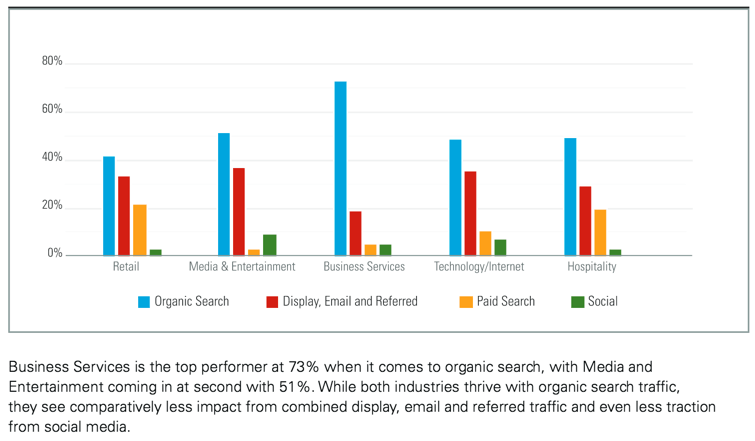
In fact, total organic traffic is the most popular Google Analytics metric that SEO experts track regularly:


Compare organic visitors to non-organic

 You’ve got your Google Analytics data broken down by organic visitors.

But Company Man Studios‘ Joe Fortunato thinks you should “focus on specific pages and track metrics for Organic traffic, then exclude organic traffic and measure those metrics as well.”

“Successful SEO efforts will show an increase in organic traffic and metrics, but by excluding the organic traffic, you’ll be able to pinpoint poor user experience or design that can be improved on, providing an additional boost to SEO efforts.”


Find top-performing content (and update it)

When we asked Shotkit for their best SEO tip when using Google Analytics, Rachel Kaiser said: “Regularly run down a report of your top performing pages and see what you can do to optimize them.”

“Maybe that’s updating them with fresh content, maybe its adding a stronger call to action… whatever you need to do to really get maximum return from the areas of your site that are already ranking in search and to keep those pages in the top results.”

HubSpot’s Alex Birkett explains: “For example, are there pages that have dropped significantly in organic traffic? Probably some promotion and update potential for those pages.”

“How about pages that get a lot of traffic but drive very little business value? CRO potential there,” Birkett adds.

Best Company‘s Alice Stevens explains: “It’s also a great tool for tracking the effectiveness of specific pages. You can track page-views, dwell time, and see which internal links get the most clicks. These measures can help you understand how effective your content is, find pain points, and make changes to improve your content.”


Look at top-performing landing pages

“Tracking your best landing pages is one of the most underrated SEO tricks. This data can help you increase page views, decrease the bounce rate and identify top and least converting pages,” says BforBloggers‘ Aayush Bhaskar.

Bhaskar adds that they go through their “top landing pages a month and optimize the top 10 for:

Readability and user intent (increases dwell time, decreases pogo-sticking)

Conversion (helps me make more money)

Google’s freshness algorithm (Keeping the article up to date)”

Zivadream‘s Lynell Ross explains: “This report shows which individual content pages are driving the most sessions and the source of the traffic (social channels, Google searches, etc).”

“This allows you to evaluate the content on your site and make changes to underperforming pages. It also allows you to see which types of content are the most successful so you can adjust your strategy moving forward.”

Plus, Netpaths‘ Cayley Vos says: “This will give you an idea of what problems your customers are looking to solve And the questions they have. Use this data to optimize your pages to provide answers to their questions.”

Use the Content Drilldown report

Shaan Patel says that Prep Expert‘s “best tip for measuring SEO using Google Analytics is breaking down your non-sales page impressions and clicks via the Content Drilldown tool.”

“We use this especially to track our blog content pages to see what topics are trending well, so we can further optimize them with FAQ schemas and other lead magnets.”

Add annotations to track content updates

“For a company like [G2] in the midst of pruning and optimization, it’s important to track the results and document them,” writes Hannah Tow.

“An easy way to do this in Google Analytics is to use the annotation feature on a specific date. Using the annotations in Google Analytics, this helps us benchmark the performance of an article post-optimization.”

Brooke Logan of Sagefrog Marketing Group adds: “This can help you determine in future metrics if these changes helped with SEO improvement.”

Brian Jensen of Congruent Digital summarizes: “Most SEO changes take days, weeks and sometimes months to bear fruit which can make impact difficult to evaluate.”

“Utilize annotations and annotate each SEO optimization you make in Google Analytics – you’ll have a clear benchmark to measure improvements from your optimization efforts.”

Use the multi-channel funnel report

Earlier, we mentioned how you can break down your organic visitors by the Organic Traffic segment. But ScienceSoft‘s Liubou Zubarevich shares a word of warning: “Your organic users might be not so organic. GA’s source can’t be overwritten.”

“If a user came to the site by an organic search, and then came back later directly, GA remembers that they came via search and leaves their source as organic. Therefore, you should remember that traffic source is a characteristic of a session, rather than a user.”

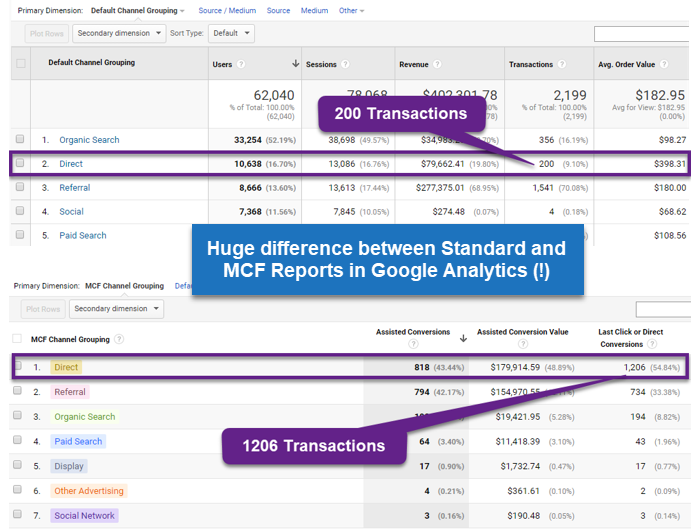
Ana Kravitz of Mixed Analytics shares a smart workaround: “By default, Google Analytics attributes conversions to the most recent traffic source (except in the case of direct traffic, in which case it will look back for a known traffic source).”

“To better measure the full effect of SEO, check Assisted Conversions in the Multi-Channel funnel report. This will show you when SEO played a part in driving conversions, even if it wasn’t the last click.”

How do I track keywords in Google Analytics?

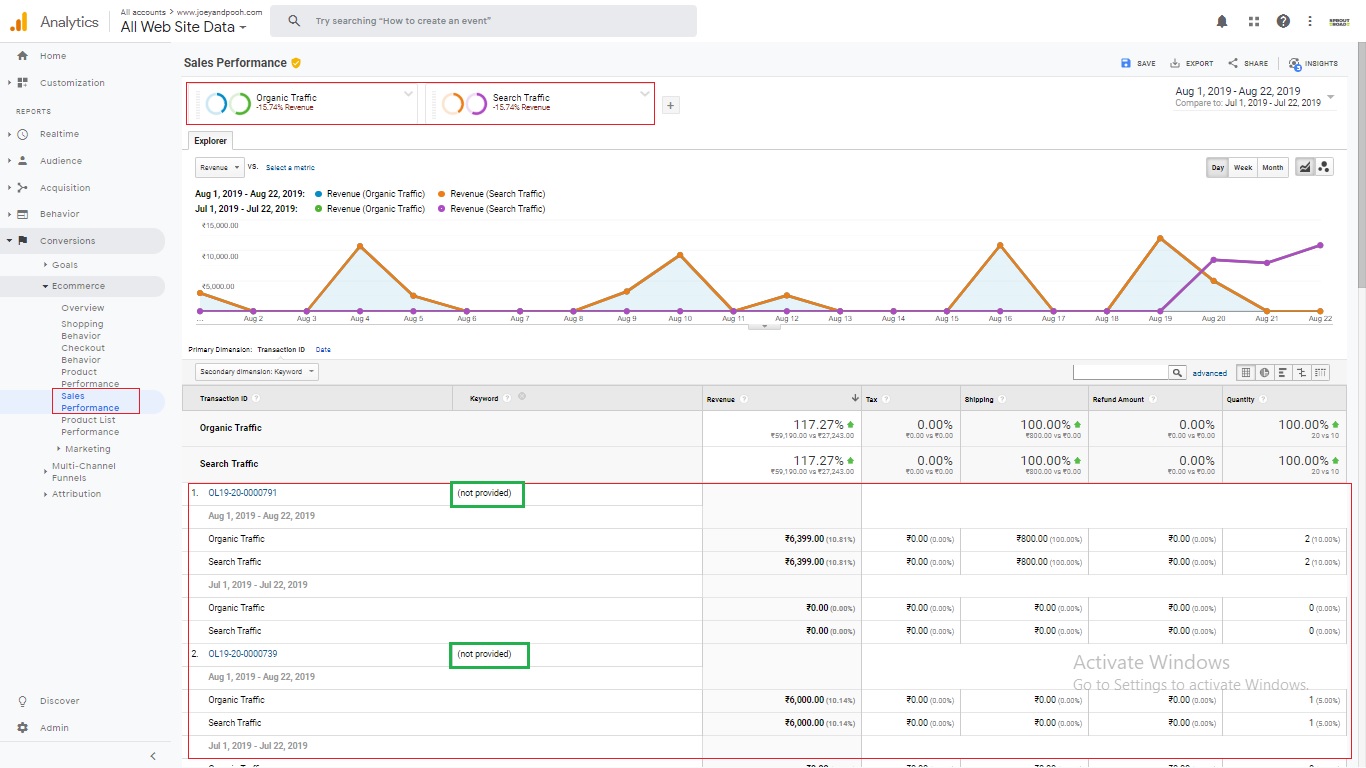
“The biggest problem with using Google Analytics to track success with SEO is the keyword field is largely “(not provided)” so it’s difficult to combine the keywords people use with behavior on the website,” says Brandon Howard of All My Web Needs.

“While this is certainly not a perfect solution, I suggest integrating Google Analytics with Search Console and looking at Acquisition > Search Console > Landing Pages in Google Analytics.”

“If you have proper on-page SEO and URL architecture, this will at least show you the landing pages people are hitting when coming from Google and that will give you an idea of the top focal search terms people are using to find you.”

Julien Coquet also recommends “getting a premium solution such as Mangools to get more useful data about SEO performance.”

Mangools is one of the several SEO tools that our experts use in conjunction with Google Analytics:

“Total all the traffic coming in from related or longer-tail phrases that contain the optimized phrase. We refer to this as “halo traffic.” It’s important to look at the fuller picture of what’s being brought in on an optimized term, rather than just looking at traffic on the exact phrase. The value is higher than you think!”


Powered by Blogger.