Paid social media is a method of
displaying advertisements or sponsored marketing messages on popular social
media platforms, and targeting a specific sub-audience. Pay-per-click
advertising, branded or influencer-generated content, and display ads are all
examples of paid social media.
Every social media channel is
different. Twitter offers short-form content, Instagram focuses heavily on
visual-based content, Facebook has its own marketplace, and LinkedIn is the
home of networking professionals.
As such, paid social media on each
platform differs, and should, depending on the campaign and audience.
Here,
we're going to explore some quick strategies that will help you decide how to
use paid social to the benefit of your brand.
Paid Social Media Strategy
A paid social media strategy involves using the
ad tools native to social media channels to create, schedule, and post targeted
ads that will reach your intended market. Strategies might look a little
different based on the channel and campaign.
Pringles and Rick and Morty might seem
like an unlikely partnership, but it was a decision that came from months of
planning and execution, with help in no small part from the social media
channels chosen to run the commercial.
Having
a paid social media strategy can save a budget that might not be as expansive
as a global potato chip brand, so we've gathered the important things to know
about using various social platforms for paid ads.
YOU WANT TO KNOW MORE ABOUT SOCIAL MEDIA ADVERTISING IN DETAILS YOU CAN FOLLOW THE EACH AND EVERY METHODS ONE BY ONE.
Talk to any agency, brand or publisher
about what they’re paying attention to, and within five minutes, you’ll hear
one (or all) of these terms: “native advertising,” “sponsored content,”
“branded content,” “content marketing,” and “custom content.”
The problem is that those terms mean
something different to everyone. The media tends to use the terms
interchangeably. (Even the New York Times gets tripped up in defining these
tactics.) Here’s an attempt to clarify what’s what. Please add your thoughts in
the comments.
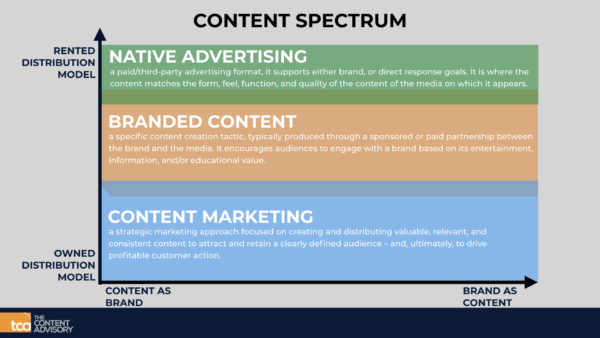
Native
Advertising:
When
an ad unit can only be bought and displayed on one platform. Think Facebook’s
Sponsored Stories; Twitter’s Promoted Tweets; Tumblr’s Radar. These ad units
are unique to those environments.
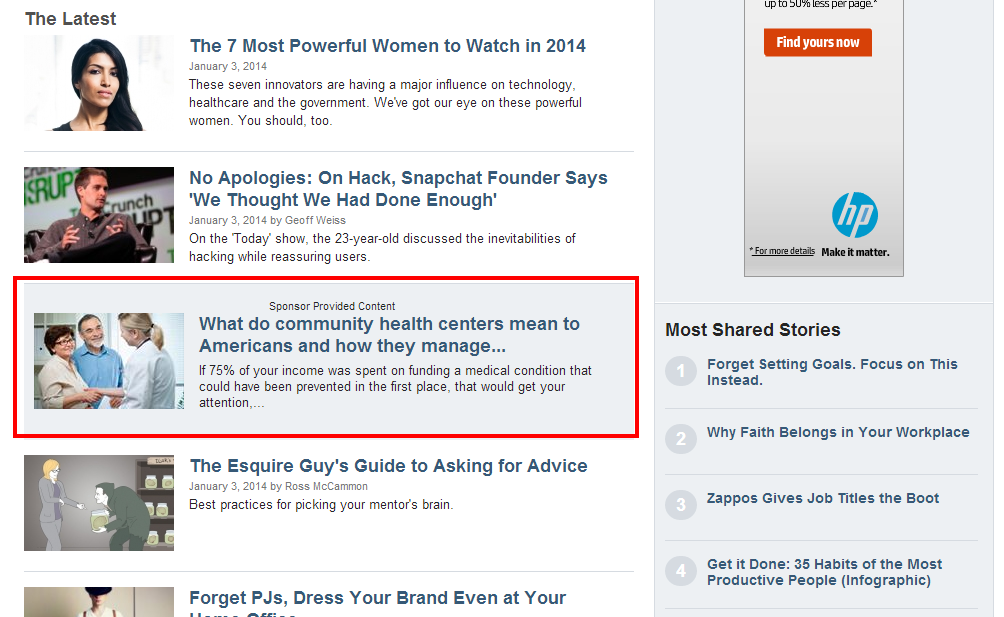
Sponsored
Content:
When
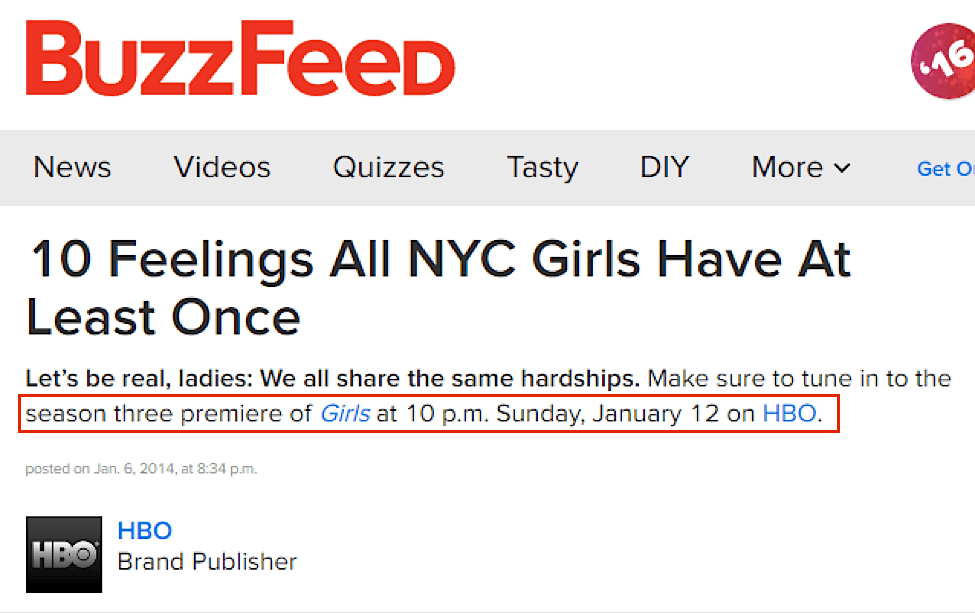
a brand pays a publisher to have its name and/or message associated with a
particular story. This typically takes the form of a brief intro paragraph
informing readers that the following article is sponsored by an advertiser.
You’ll see phrases like “brought to you by,” “presented by,” or “sponsored by.”
This is not content produced by the brand. The marketer is given a broad topic
area that it can choose to associate its brand with. The marketer does not get
a say in what will be produced, at least not in the type of sponsored content
programs run by sites like Mashable, Business Insider and Digiday.
Brand
Content
We
have heard ad nauseam that brands are publishers now. What they produce, on
their own and running through their own distribution channels, is brand content.
Think of Coca-Cola’s YouTube channel. The video below is content created by the
soft drink brand that blurs the lines between advertising and entertainment.
Content
Marketing:
This
is the catchall phrase that encompasses all of the above. On a most basic
level, it means “not banner ads.” It conveys the strategic shift occurring at
many brands that are thinking of ways to sell their wares and services beyond
the hard sell. These efforts involve creating content and experiences people
want to consume, while at the same time conveying a brand message. For a brand
like Coca Cola, that means hair-raising stunts and action-sports content; for
American Express, it is producing tools and content useful and needed by
small-business owners.
Wish you liked the content You can subscribe use for more useful contents about digital marketing. You can also get the latest guide of Digital marketing get the copy as fast as you can. get it now
Paid online advertising is through optimizing
your website for the search engines, called search engine optimization. SEO
helps generate more targeted traffic from the search engines so you’re more
visible for searches relevant to your product or service. If you do SEO
yourself, technically you can say it’s a free method, but you can also
outsource your SEO to an agency to free up your time.
There are many types of
Paid Digital Marketing they are:
Pay-per-click (PPC) has been an effective paid advertising strategy for many years now, and this trend doesn’t show any signs of slowing down anytime soon. In fact, paid search marketing now accounts for about 65% of “clicks," compared to just 35% being generated organically. Combine this with the fact that PPC visitors are 50% more likely to make a purchase than organic visitors, and it’s suddenly quite clear why pay-per-click advertising can be an effective way to spend your marketing budget.
The power of posting ads on social media has grown
exponentially in the past few years, especially as social media sites like
Facebook have begun offering users more paid marketing options than ever
before. For example, Facebook’s relatively new “Audience Insights" feature
makes it easy for marketers to hone in on their target demographic, learn more
about their preferences, and create great ad content.
Advertising on social media
is one of the easiest and most effective ways to ensure your message reaches
your target audience—and social media users are in agreement. In fact, 57% of
Millennials surveyed agreed that the ads they’ve seen on social media are more
relevant to them than ever before.
Influencer
Marketing
In recent years, influencer
marketing has become an extremely effective source of paid advertising.
Specifically, influencer marketing refers to working directly with a well-known
industry name (such as a celebrity) to encourage your target audience to choose
your company/brand. This strategy can be especially effective on social media
and is a great alternative to paid ads, which some customers are now blocking.
And in 2016, the use of influencer marketing even surpassed print marketing for
the first time.
Banner Ads
Banner ads—those small,
rectangular ads you often run into along the top or side bar of a web page—have
been around for decades. Today, it is not uncommon to see banner ads displayed
not just on desktop devices, but on mobile devices (such as smart phones and
tablets) as well.
And despite many new paid
online advertising strategies emerging in recent years, however, banner ads
continue to be one of the most effective. In fact, in 2018 alone, it is
estimated that businesses will spend nearly $25 million annually on desktop and
mobile banner advertising combined
Ad Re Targeting
One relatively new paid
advertising opportunity that is picking up a lot of steam is known as ad
retargeting or remarketing. This strategy utilizes cookies on a website to
anonymously track users’ activities as they move across the Web. This data can
then be used to ensure that users see only ads that are most relevant to them.
Generally, remarketing or retargeting tends to be the most effective among
websites that already have high traffic levels (ideally 5,000 visitors or more
each month). If this applies to your site, then it may be time to consider
implementing this paid strategy for yourself.
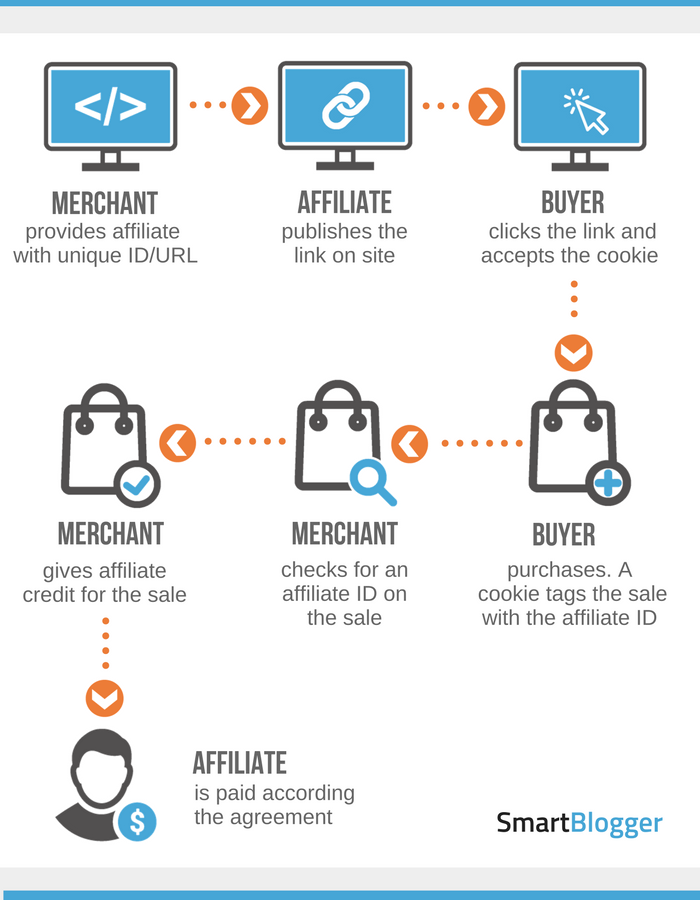
Affiliate Marketing
Affiliate marketing is one
of the types of performance-based marketing strategies wherein a business
rewards its affiliates for getting people to visit a website and buy or opt-in.
Every time that an affiliate brings a customer or lead to the client’s website,
it will be paid. There are actually four components that comprise affiliate
marketing, namely: the merchant (the brand or retailer), the network, the
publisher (the affiliate), and the customer.
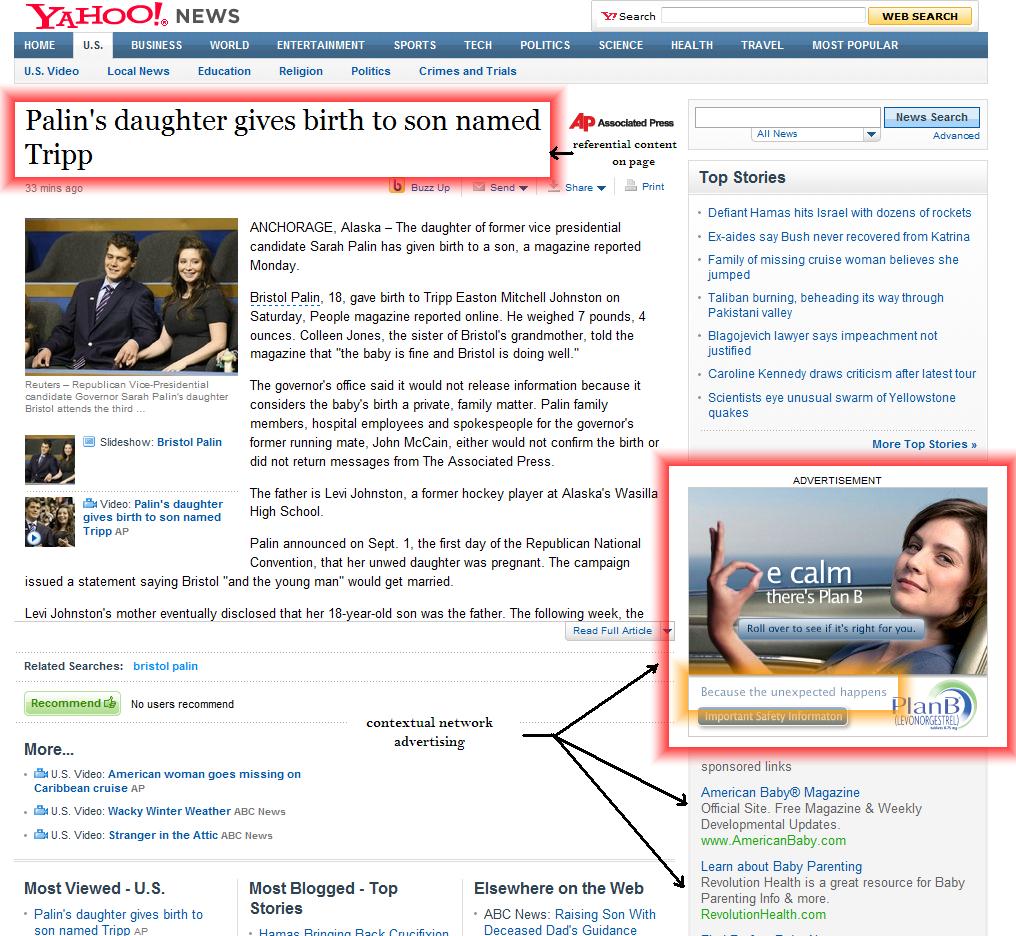
Contextual Ads
Contextual ads are types of
paid advertisements that have been placed by an automated sponsored ad system
on a number of related web pages. These pages show text or image ads relevant
to the content on the page. This type of paid online advertising is becoming
popular on mobile sites for mobile visitors. In fact, Google Adsense now has an
ad format specifically for mobile.
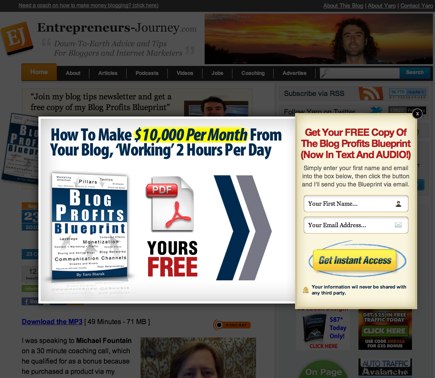
Floating Ads
Floating ads are also very
common forms of paid online advertising methods. These are actually rich media
web ads that look uninitiated. They are superimposed over a page that has been
requested or visited by a user. They often become unobtrusive or they
completely disappear after a set period of time, typically within five to
thirty seconds. The most basic of these ads simply make their appearance over a
web page, either in a full screen size or in a smaller, rectangular window.
Popup and Pop-under
Advertising
Floating ads are also very
common forms of paid online advertising methods. These are actually rich media
web ads that look uninitiated. They are superimposed over a page that has been
requested or visited by a user. They often become unobtrusive or they
completely disappear after a set period of time, typically within five to
thirty seconds. The most basic of these ads simply make their appearance over a
web page, either in a full screen size or in a smaller, rectangular window.
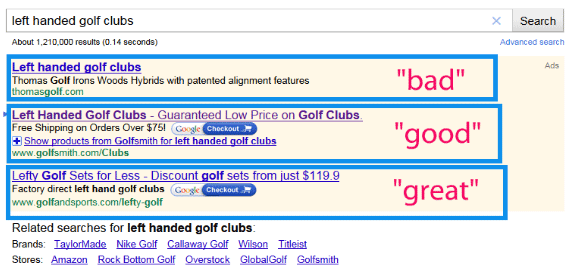
Pay-Per-Click (PPC) Ads and
Campaign
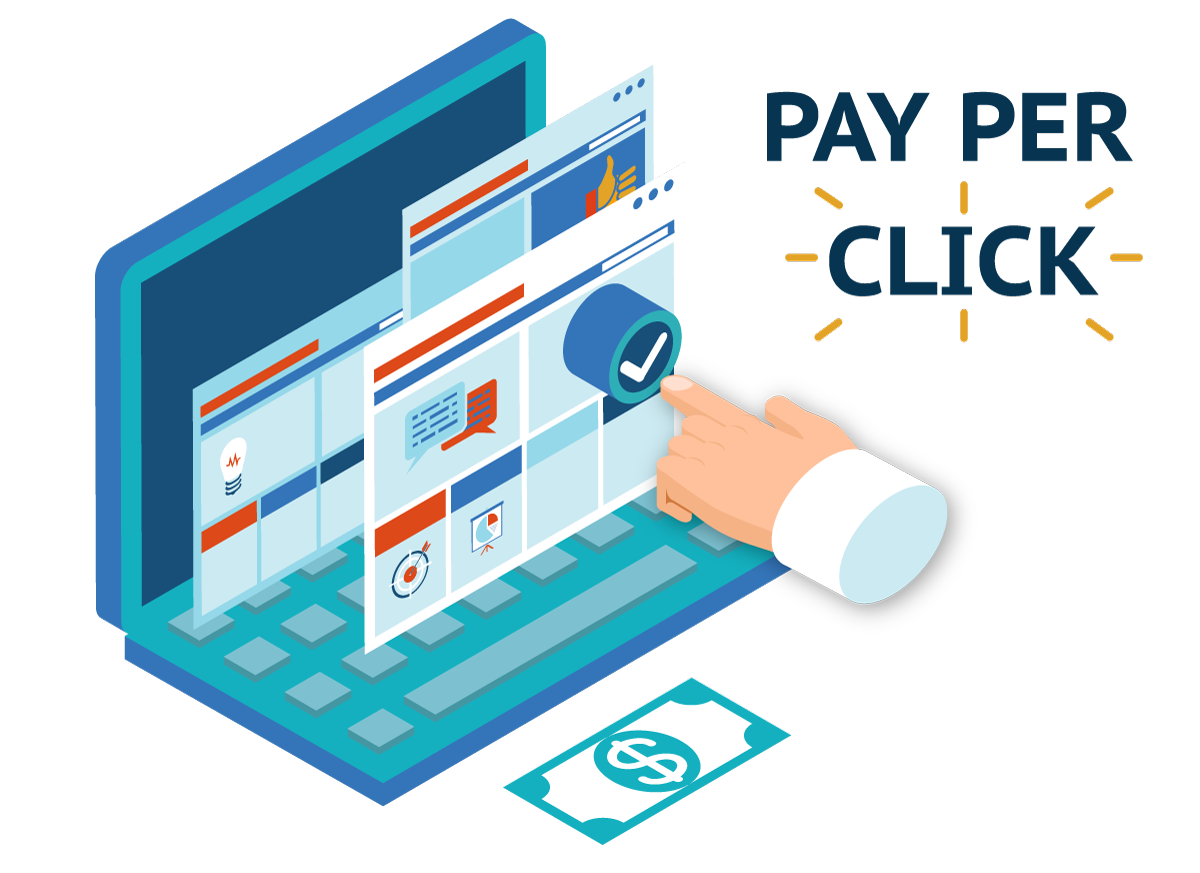
Pay-per-click (PPC) ads and
campaigns are Internet-based advertising modes specifically used to direct
traffic to a particular website. In this case, an advertiser will pay a
publisher when the ad has been clicked on by a user or a visitor. The simplest
and most basic definition of a PPC ad or campaign is “the amount that is spent
to have an advertisement clicked on". In addition, PPC ads that are placed
on search engines involve advertisers bidding on keywords and key phrases that
are relevant and pertinent to their specific target market.
Unicast Ads
Unicast ads are also a
common type of paid online advertising. Here, the advertisement is comprised of
a video that is played much like a television commercial. In most cases, the
advertisement is in the form of a popup or a pop-under ad format. They are
considered to have the same power and influence as that of regular TV ads.
Text Link Ads
Text Link Ads is text on a
website or a blog hyperlinked to a particular page found on another website.
The website or the blog that is responsible for publishing the link will be
paid by the advertiser who is aiming to get more traffic to the page that has
been linked. There are a number of ways wherein the publisher can get paid, one
of which is based on the number of clicks that the text link ad has received.
Another payment method is through negotiating a flat fee for having the link
published.